



11th September 2026
How to Make Fresh Food for Cats with Sensitive Stomachs?
-
 author


Most people who ask us about a cat's delicate digestion are tired of guessing. They want to know what went into dinner, why yesterday's bowl stayed down, and whether tomorrow's batch can be made the same way. A useful homemade cat food for sensitive stomachs routine starts there. First, however, the cause of the symptoms needs attention and the cat needs a complete formula.
At DUODPET, we design equipment for the preparation and serving parts of that routine. We do not formulate veterinary diets or present an appliance as a cure. Our job is to help owners and pet-care businesses follow an agreed process with less mess and fewer batch-to-batch changes.
Start With the Cat, Not the Recipe
Owners use “sensitive stomach” as useful shorthand, yet it can hide very different problems. Food intolerance is one possibility; abrupt diet changes, parasites, infection, swallowed hair, or illness are others. A single upset and a pattern of vomiting are not the same conversation. Weight loss, blood in the stool, lethargy, poor appetite, or symptoms that keep returning call for a veterinarian. So does a cat that stops eating. A new recipe is not the thing to wait on.
A fresh diet still has to be complete
Fresh ingredients let the owner see what is being used, but that clarity does not balance the bowl. Cats have exacting needs, including taurine and calcium, which are easy to miss in a dish that looks wholesome. Cooked meat by itself is still cooked meat, not an everyday diet.
Begin with a formula supplied or reviewed by a veterinarian with nutrition expertise. Age, weight, health history, and the suspected trigger all shape it. We suggest keeping the approved version beside the scale and treating it as a specification, not a recipe to reinterpret when an ingredient runs short.
Make the First Batch Boring—On Purpose
There is no prize for improvisation during a food trial. Weigh what the formula calls for, follow its cooking method, and leave unapproved treats or flavored supplements outside the test. A turkey substitution here and an unmeasured splash of oil there may look harmless. Together, they make the cat's response harder to read.
Control one variable at a time
Texture is worth adjusting, but not alongside protein, portion size, and feeding time. Some cats prefer a smooth pâté; others want a little structure. Choose one texture, note the water and processing time, then repeat it before judging the response.
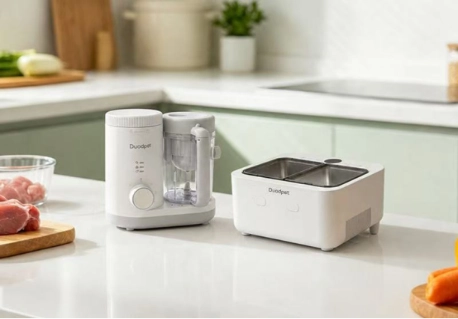
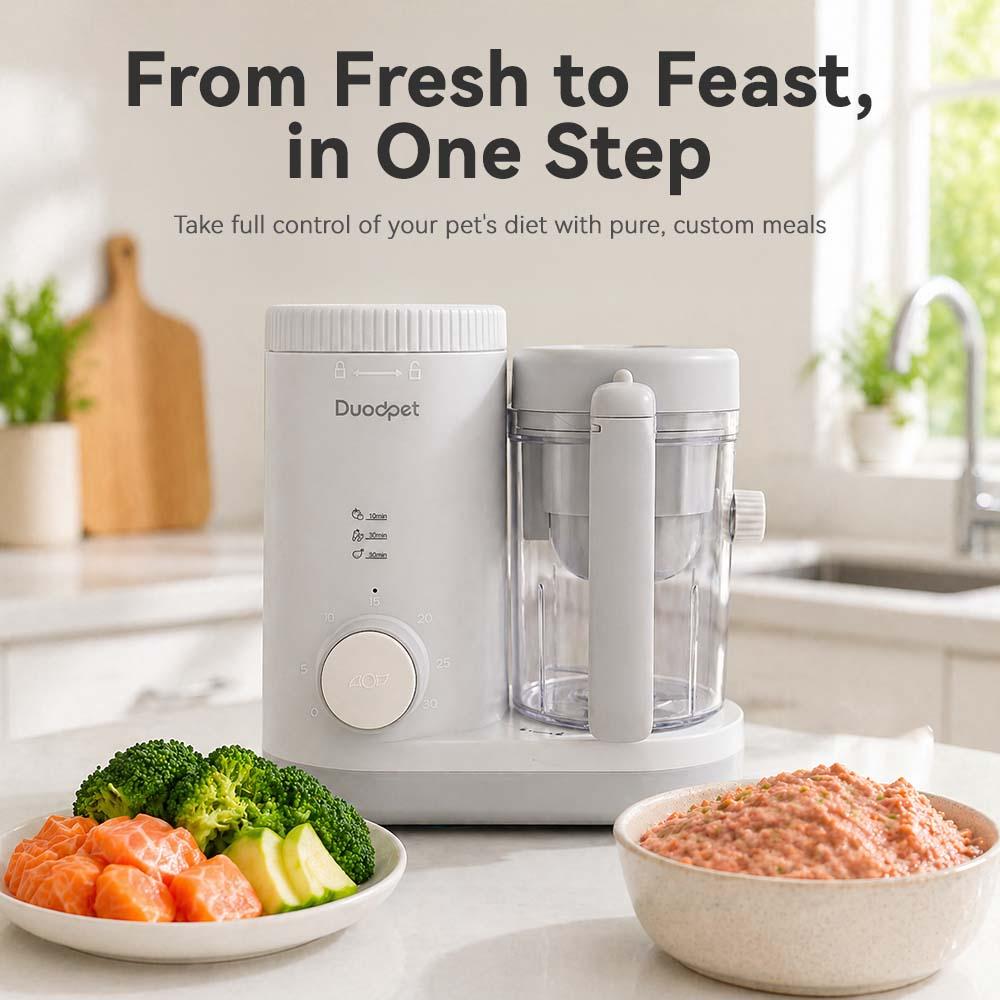
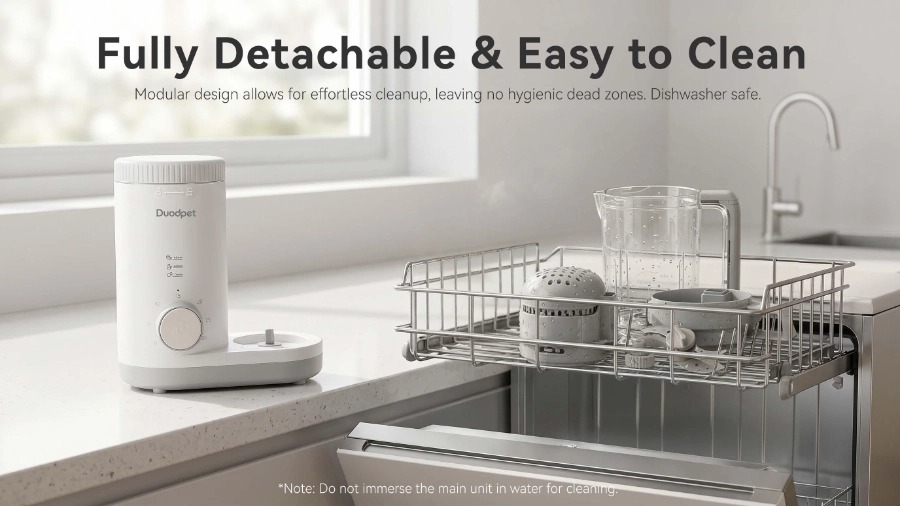
Our DUODPET PFM2711 Pet Fresh Food Maker brings steaming and blending into one compact workflow. Its timer and jar markings help an operator repeat an established method, while the flip-to-blend design reduces transfers between hot containers. It saves handling. It does not choose a recipe, calculate supplements, or decide which protein suits a particular cat.
Treat cleanup as part of the batch
Raw animal ingredients may bring microbes into the kitchen, so hands, tools, and worktops need attention too. Separate raw ingredients from ready-to-eat food and follow the approved cooking instruction. Clinics and catteries have especially little room for casual cleanup. We also find that washing the lid, blade, and jar straight away is far easier than tackling dried residue.

Portion the Batch Before It Reaches the Refrigerator
Large containers invite inconsistency and repeated handling. We prefer measured, meal-size portions labeled with the preparation date. Follow the formula's cooling directions, refrigerate the near-term meals, and freeze later portions when the plan permits.
Move a frozen portion to the refrigerator to thaw. When a meal smells wrong, looks different, feels slimy, or has a doubtful storage history, throw it away. Warming cannot undo spoilage.
Serving temperature can affect acceptance
A refrigerator-cold meal can be a hard sell to some cats. Gentle warming releases aroma, often the first thing a cat notices. Hot food is another matter. Stir the meal and check it before the bowl goes down, particularly if heating could leave warm pockets.
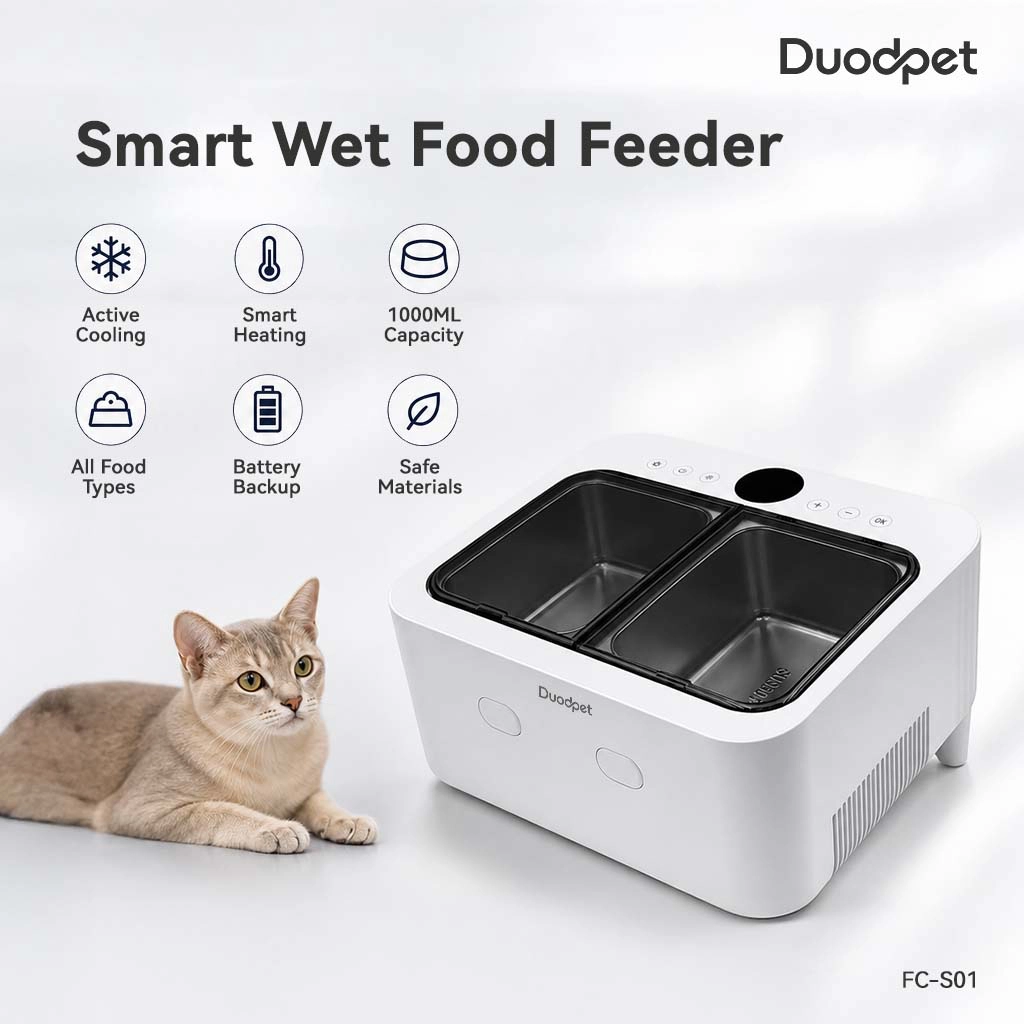
For a meal scheduled later, the DUODPET FC-S01 Smart Wet Food Feeder uses active semiconductor cooling and two 0.5 L stainless-steel chambers. It can warm a portion toward about 35°C before access. Those features solve a timing problem and may make dinner more inviting. They do not permit food to sit indefinitely. Start with a safely handled portion, respect storage guidance, clean the bowls, and remove what the cat leaves.
Watch the Cat, Not Just the Empty Bowl
An empty bowl feels like a win, but it tells only part of the story. During a supervised change, note what the cat ate, stool changes, vomiting, weight, and any skin or ear signs. Two lines written after dinner beat a hazy memory at week's end. Worsening symptoms, weight loss, or food refusal mean it is time to stop tinkering and call the veterinarian.
Transition speed should follow the clinician's advice. Many cats do better with a gradual change, though a medical reason may require another schedule. The key is not to test three solutions at once.
What This Category Means for Pet-Care Businesses
For an independent pet store, “press this button and cure digestion” is exactly the wrong pitch. We would demonstrate one ordinary batch from scale to washed jar: measure, steam, blend, divide, chill, serve, clean. Customers then see which jobs the appliance removes and which nutrition decisions remain with a professional.
A community clinic can use the workflow to explain recipe compliance without selling a diagnosis. A breeder may value repeatable texture and dated batches. For a regional wholesaler, the fresh food maker and cooled wet feeder belong to one story, but they do different jobs: one prepares a chosen formula; the other manages access to a prepared portion.
Before stocking, buyers should confirm local voltage, documentation, cleaning guidance, warranty coverage, training needs, and minimum orders. For specifications or channel support, businesses can speak with the DUODPET team about their market and sales model.
FAQs
Q: Is homemade cat food good for every sensitive stomach?
A: No. Home preparation gives an owner more visibility into ingredients, but it does not explain symptoms or balance the meal. Fresh food can still be incomplete or contain something the cat does not tolerate.
Q: Will plain chicken and rice settle my cat's stomach?
A: It is not a complete long-term diet, and chicken may be wrong for a particular food trial. Ask the veterinarian whether it fits this cat's case and how long any temporary plan should last.
Q: Is there a fixed safe time for fresh food in a feeder?
A: No universal number covers every formula or room. Starting temperature, ingredients, preparation, ambient heat, and product instructions all matter. Load a portion with a known storage history; if leftovers are doubtful, discard them.
Q: Should fresh cat food be served cold or warm?
A: Often, gently warm works better because the aroma is easier to notice. Make sure the meal is comfortable, not hot, and never use heat to disguise food that was stored poorly.
Q: What should a small retailer verify before ordering a fresh food maker?
A: Check electrical compatibility, usable capacity, cleaning steps, warranty terms, training materials, and channel support. Staff should demonstrate the workflow accurately while leaving recipes and medical claims to veterinary professionals.