



21st August 2026
Is Refrigerated Wet Food the Safest Choice for Cats in Summer?
-
 author
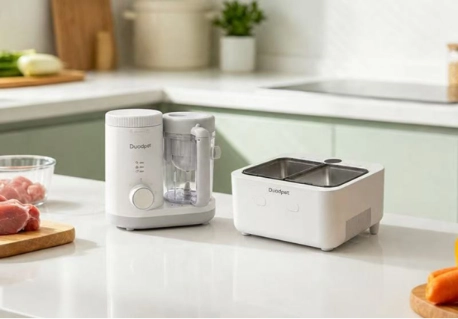
At DUODPET, we develop forward-looking pet-care products for pets and households worldwide. From that brand perspective, our answer is yes, with one qualification: refrigeration is only as safe as the routine around it. A customer searching for an automatic cat feeder wet food refrigerated is not merely looking for a clever gadget. They are asking whether a wet-food routine can survive a hot afternoon without becoming an avoidable food-safety complaint.
That makes this a business question as much as a cat-care question. We believe a refrigerated feeder earns its place in an assortment when it gives the buyer a clear use case, a believable explanation of food handling, and a product story staff can repeat without making promises they cannot prove.
Refrigeration Is a Merchandising Decision, Not Just a Feature
Wet food is perishable once opened. In summer, an uncovered serving beside a sunny window can turn a simple feeding plan into a problem. DUODPET positions refrigerated feeding as a more controlled routine: start cold, expose less food at one time, and make bowl cleaning standard practice.
Where a Refrigerated Feeder Fits Best
Independent Pet Boutiques and Premium Pet Stores
We see the strongest retail fit in stores whose customers already buy wet food, fresh toppers, or carefully selected accessories. These shoppers usually do not need a lecture on why cats enjoy wet food. They need a credible answer to a more specific question: "How can wet food be served at noon while nobody is home?"
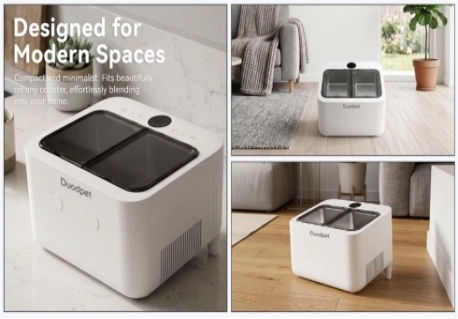
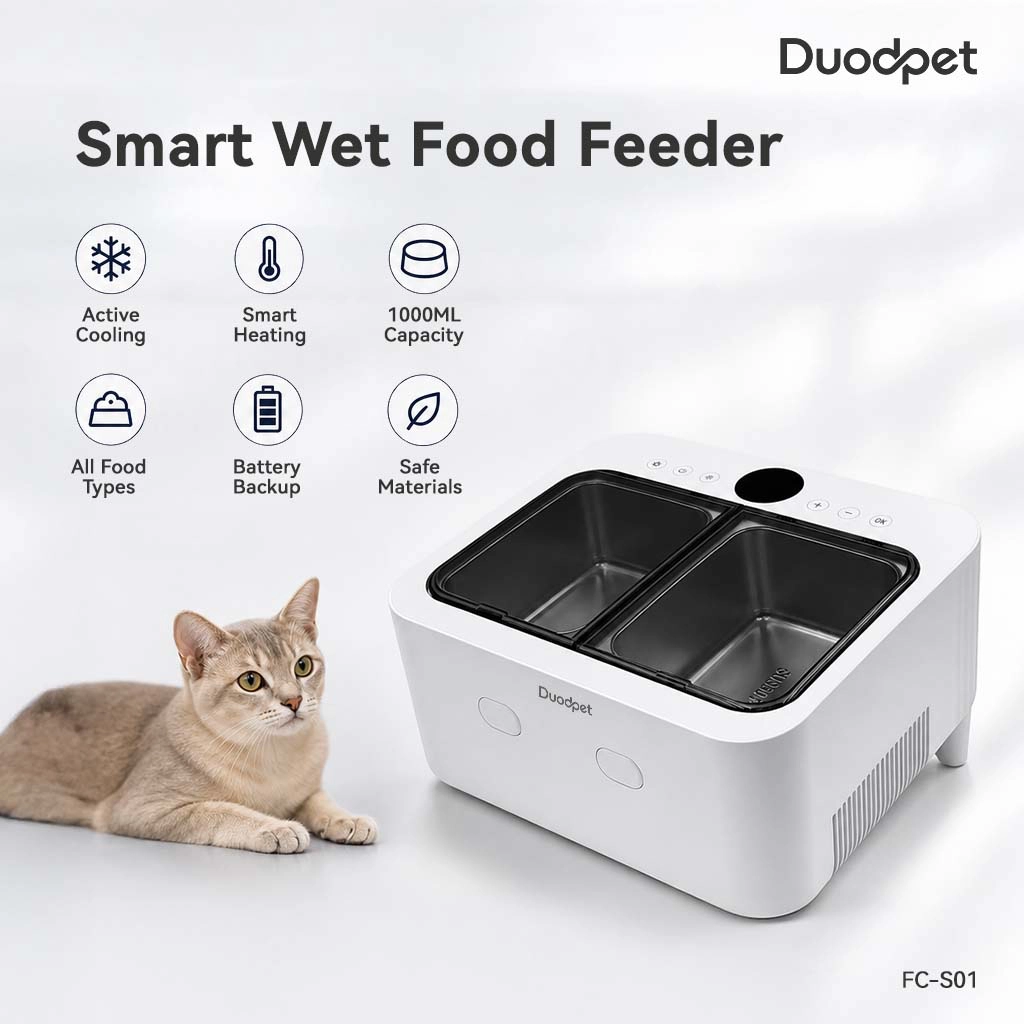
A live display makes that answer tangible. Our recommended demonstration is simple: show the stainless bowl, explain the separate food compartments, and demonstrate the closed lid. That gives staff a useful add-on conversation around storage containers, cleaning tools, and recurring wet-food purchases.
Community Clinics and Breeding Catteries
Clinics and catteries value consistency. A clinic may need scheduled meals for boarding cats; a breeder may be managing multiple adults, kittens, and a busy care schedule. DUODPET designs the feeder to support a documented routine, never to replace staff checks.
If appetite drops, the response is observation and professional judgment, not blind faith in a timer. For these buyers, we emphasize cleanability, portion control, and testing in their own space.
What DUODPET Puts on the Product Card
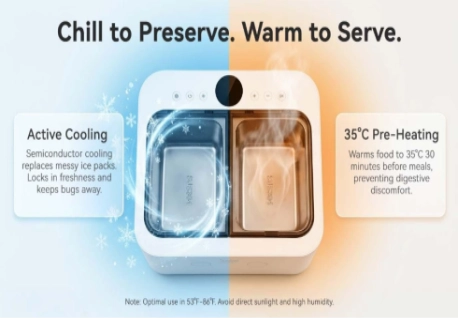
The most convincing sales copy is specific. The DUODPET smart wet food feeder gives a retailer several concrete points to discuss: active semiconductor cooling, two 0.5 L stainless steel food chambers, and scheduled warming to about 35 C (95 F) before a meal. Those details help solve the awkward trade-off many customers notice. They want food stored cold, but they do not want to serve every meal straight from the refrigerator.
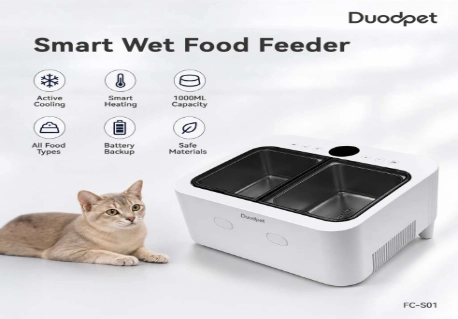
We keep the language disciplined: the feeder cools stored portions and warms a scheduled meal. We also tell buyers to follow the food label and test the unit in the intended room. No feeder makes wet food safe for every duration, climate, or power situation.
DUODPET's Hot-Weather Acceptance Check for Buyers
Before a refrigerated feeder is listed in a boutique, recommended in a clinic, or added to a distributor catalogue, we suggest a simple acceptance check:
- Start with chilled food and use the storage instructions printed by the food manufacturer.
- Place the unit where customers will actually use it: indoors, away from direct sun, heaters, ovens, and blocked ventilation.
- Check the bowl area during the warmest part of the day with a food-safe thermometer. Touching the housing alone tells a buyer almost nothing.
- Open, remove, wash, and reassemble every food-contact part. Staff should be able to demonstrate that process quickly.
- Confirm what happens after a power interruption. A backup clock and active cooling are not automatically the same thing.
- Write the staff guidance in plain language: serve sensible portions, clear leftovers, and wash the bowl before reloading.
This also gives wholesalers a responsible demo script rather than a vague feature list.
Sell a Feeding System, Not One Isolated Device
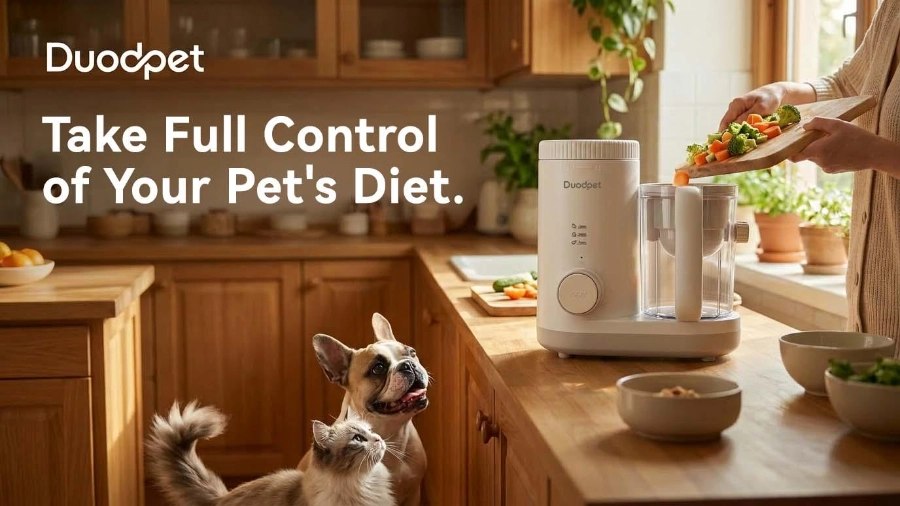
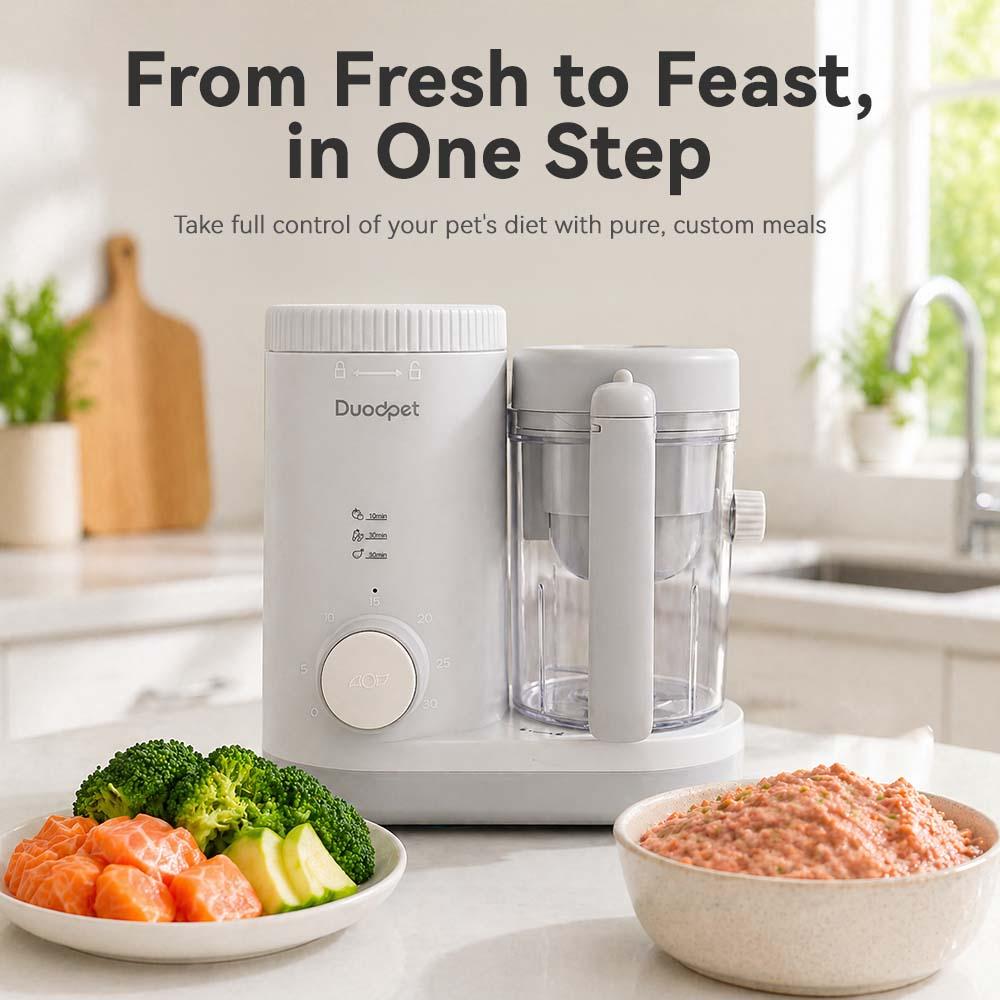
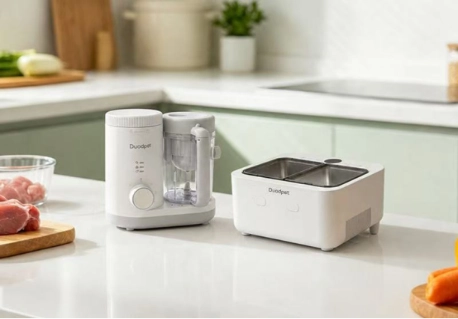
For a premium retail assortment, we recommend building a focused fresh-feeding story around preparation, storage, and scheduled service. The pet fresh food maker belongs at the preparation end of that story. It steams and blends homemade pet food; it does not remove the need to cool, store, portion, and clean that food correctly. That is an honest cross-sell, especially for customers using veterinarian-approved homemade recipes.
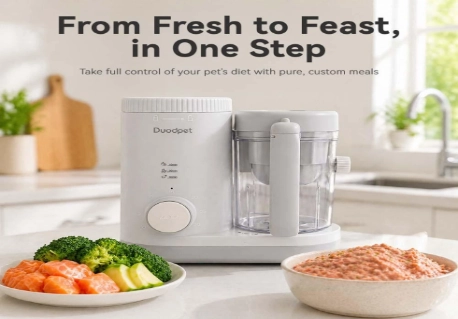
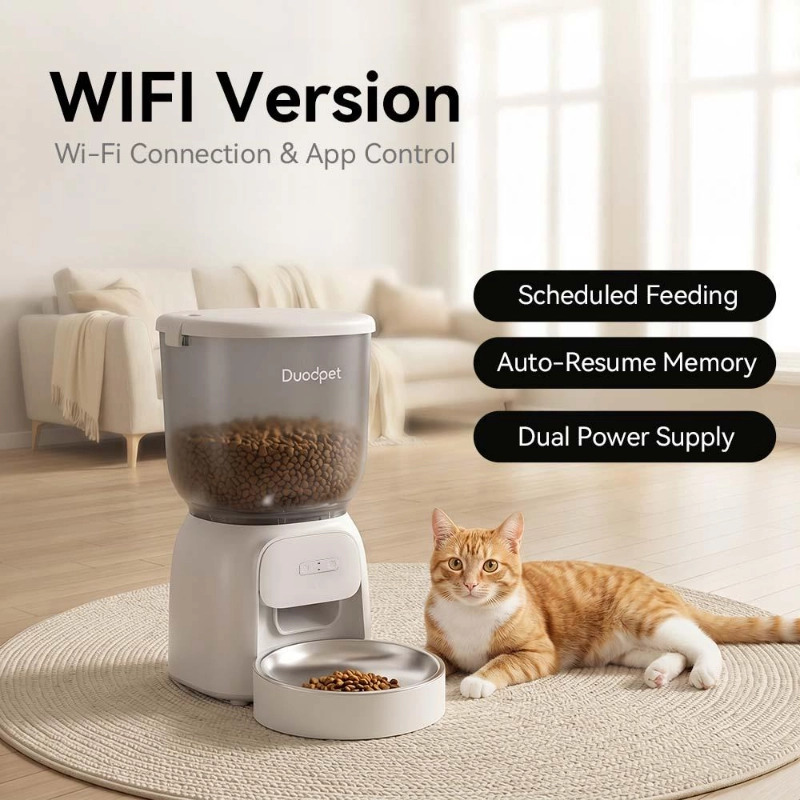
For households not ready for wet-food refrigeration, a 4L WiFi automatic pet feeder can suit a dry-food schedule. This gives stores and distributors three clear jobs to sell: fresh preparation, refrigerated wet-food service, and timed dry-food service.
The Claims DUODPET Does Not Make
We do not use "keeps food fresh all day" unless the food, room temperature, duration, and tested conditions are clear. Nor do we present a feeder as a medical-monitoring device. Our guidance is simpler: start cold, keep portions covered, remove leftovers, and clean the bowl.
Here is the answer DUODPET gives a buyer:
We consider refrigerated feeding the safest choice when the business can explain the full routine and the end user can maintain it. It creates an upgrade path for premium pet stores, a more consistent schedule for clinics and catteries, and a product family that regional distributors can train and resell.
The opportunity is a more controlled wet-feeding routine, not fear of summer heat.
FAQs
Q:Can a boutique safely recommend a refrigerated wet-food feeder?
A:Yes, if the recommendation includes the operating limits. We advise stores to tell customers to follow the food label, use small portions, remove leftovers, and avoid unverified time guarantees.
Q:What should clinic staff check before using one for boarding cats?
A:We recommend confirming the feeding plan and veterinary instructions, then testing bowl access, cleaning, portions, and temperature control in the boarding area. Staff must still notice poor appetite, vomiting, or other changes.
Q:Is a refrigerated feeder useful for breeding catteries?
A:Yes, where scheduled portions help staff manage a busy day. DUODPET recommends using it with welfare checks, clean bowls, and a written feeding schedule, not instead of observing queens, kittens, or changing nutritional needs.